Reviewing Indian Floral Pixel Art Embroidery for Gifts
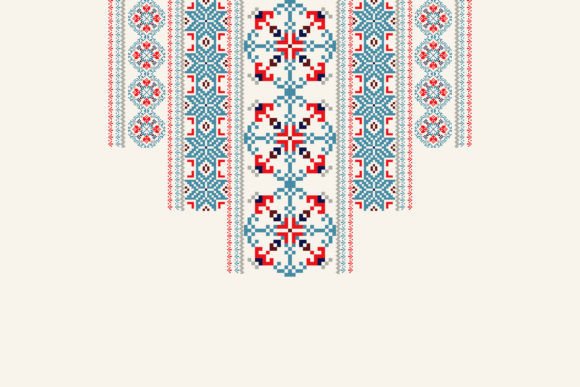
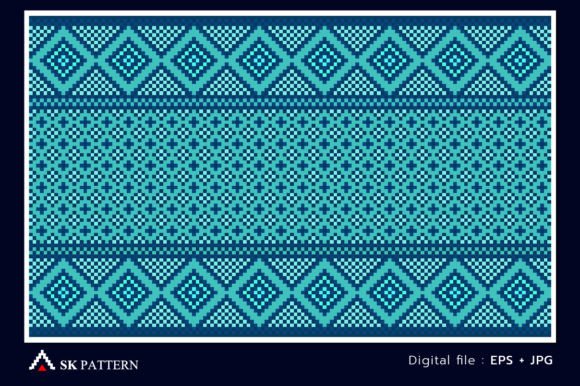
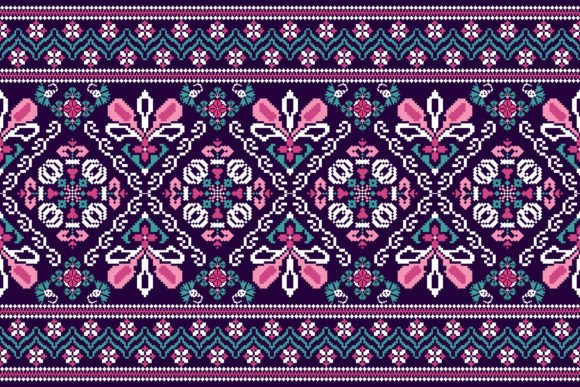
As an embroidery designer who spends most of my days hooped up at the machine, I am always on the lookout for designs that bridge the gap between traditional craft and modern aesthetic. Recently, I tested Indian Floral Pixel Art Embroidery for a potential addition to my personalized gift shop catalog. This design, described as a floral cross stitch embroidery on a purple background with geometric ethnic oriental patterns, immediately caught my eye. It promises a unique blend of Aztec style abstract vector illustration and traditional texture, making it a compelling candidate for fabric, clothing, wrapping, and decoration projects.
My goal was simple: determine if this machine embroidery design could hold up under the scrutiny of a discerning customer looking for a meaningful, handmade product. Here is my practical review of how this graphic performs in real-world applications.
First Impressions: A Modern Twist on Tradition
The first thing you notice about Indian Floral Pixel Art Embroidery is its distinct mood. It feels both playful and elegant, striking a balance that is often hard to achieve in digital Patterns. The pixelated effect gives it a retro, video-game charm, while the floral and ethnic motifs keep it grounded in organic beauty. For a crafter or Etsy seller, this duality is gold. It appeals to younger buyers who appreciate modern Graphics as well as traditionalists who love the look of cross-stitch without the hours of hand labor.
The color palette, specifically the purple background mentioned in the description, suggests a rich, royal vibe. However, when adapting this for a personalized gift, I found that the design’s strength lies in its versatility. It does not feel overly seasonal, which means it can be sold year-round. Whether it is for a spring wedding or a winter baby shower, the geometric abstraction allows it to fit various decor styles.
Real-World Applications for Personalized Gifts
I tested this design on several common items found in a custom embroidery business. Here is where Indian Floral Pixel Art Embroidery truly shines:
- Baby Embroidery: The soft, pixelated edges make it gentle enough for nursery items. I stitched it onto a muslin swaddle, and the result was charming without being too busy. It works beautifully for blanket embroidery where a large, central motif is needed.
- Wedding Gift Keepsakes: For a modern couple, this design adds a unique touch to pillow covers or table runners. The ethnic oriental pattern suggests a bohemian wedding theme, making it a perfect choice for custom orders.
- Kitchen and Home Decor: An embroidered towel featuring this pattern becomes an instant statement piece. The geometric nature of the design holds up well on textured fabrics like waffle weave, provided the stabilizer is correct.
- Apparel and Accessories: I applied it to a canvas tote bag and a denim apron. The bold lines of the Aztec style abstract vector illustration stand out against sturdy fabrics, creating a high-value small shop product.
For wedding gift designers, this design offers a fresh alternative to standard monograms. It allows for personalization through color choice rather than just text, which can be a selling point for customers who want something unique but not necessarily name-heavy.
Technical Considerations and Stitching Notes
While the visual appeal is strong, any experienced embroiderer knows that a pretty picture does not always equal a smooth stitch-out. Before offering Indian Floral Pixel Art Embroidery as a commercial embroidery option, there are several technical factors to consider.
First, always test on scrap fabric. The "pixel art" style implies a certain level of detail that might translate differently depending on the thread colors and fabric type. I noticed that on very plush fabrics, some of the finer geometric details could get lost. Therefore, checking the stitch density is crucial. If the design is too dense, it may cause puckering; if too light, the fabric might show through the gaps in the pixelated pattern.
Second, pay attention to the hoop size. Ensure that the design fits comfortably within your standard hoops without requiring excessive re-hooping, which can lead to alignment issues. For larger items like blankets, you may need to use a multi-position technique, so confirm the design’s registration points are clear.
Third, the choice of stabilizer is non-negotiable. For stretchy baby clothes or thin scarves, a cut-away stabilizer is recommended to support the weight of the stitching. For stable fabrics like cotton twill used in tote bags, a tear-away might suffice, but I prefer cut-away for durability in items that will undergo frequent washing.
Where to Use Caution
Not every project is a good fit for this specific design. Because Indian Floral Pixel Art Embroidery relies on geometric precision, it may not perform well on highly curved surfaces where distortion is likely. Avoid using it on tight sleeves or rounded hat crowns unless you have extensive experience with 3D puff or specialized techniques.
Additionally, be cautious with dark fabrics if the design’s default thread colors are not adjusted. The purple background mentioned in the product description is part of the digital file, but in embroidery, the fabric color serves as the background. If you stitch light threads on dark fabric without proper underlay, the design may lack contrast. Always create a printable mockup or digital simulation to check color contrast before stitching the final finished product.
Boosting Perceived Value and Customer Trust
From a business perspective, using a high-quality digital embroidery file like this one can significantly enhance your brand’s perceived value. Customers associate intricate, clean stitching with professionalism. When they see the crisp lines of the ethnic pattern on a pillow cover or apron, they trust the quality of your work.
This design also aids in product photography. The bold shapes and contrasting colors pop in images, increasing buyer engagement on platforms like Etsy. It tells a story of cultural appreciation and modern design, which resonates with buyers looking for more than just a generic item. It transforms a simple handmade product into a curated piece of art.
Before listing this as a custom embroidery option, ensure you have verified the commercial licensing terms. Since the product falls under Patterns and Graphics, understanding your rights to sell the finished physical items is essential for legal compliance and peace of mind.
In conclusion, Indian Floral Pixel Art Embroidery is a versatile and visually striking addition to any designer’s library. With careful attention to fabric choice, stabilizer, and thread contrast, it can elevate your personalized gift offerings and delight customers looking for something truly special.