Review: Floral Neckline Cross Stitch Embroidery
As a designer who has spent countless hours digitizing patterns and reviewing machine embroidery design files for client work, I approach every new asset with a critical eye. We are not just looking for pretty pictures; we are looking for structural integrity, stitch logic, and commercial viability. When I first loaded the Floral Neckline Cross Stitch Embroidery into my workspace, my immediate reaction was one of cautious optimism. The blend of geometric ethnic oriental patterns with a traditional Aztec style abstract vector illustration suggests a complex visual narrative, but does it translate well to thread and fabric?
First Impressions and Visual Mood
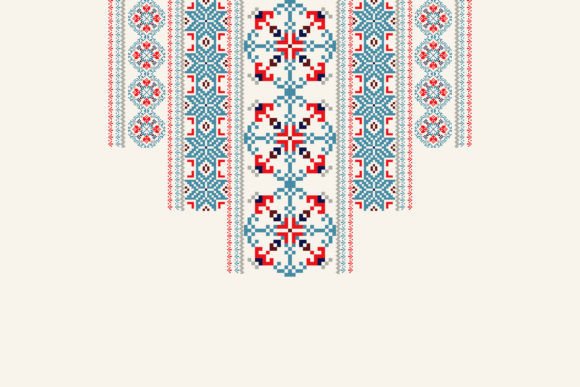
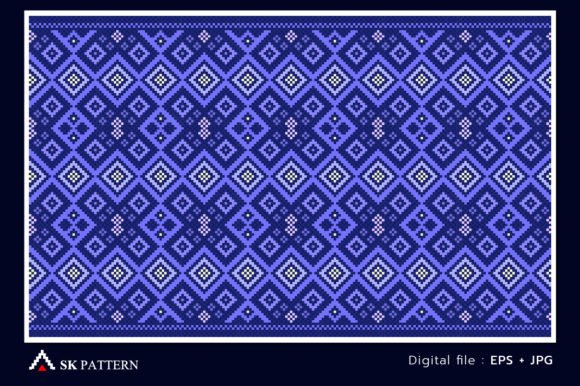
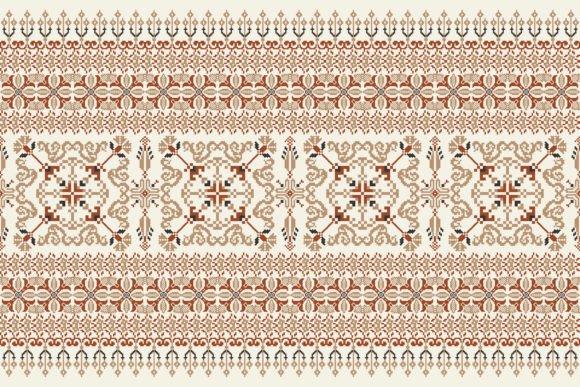
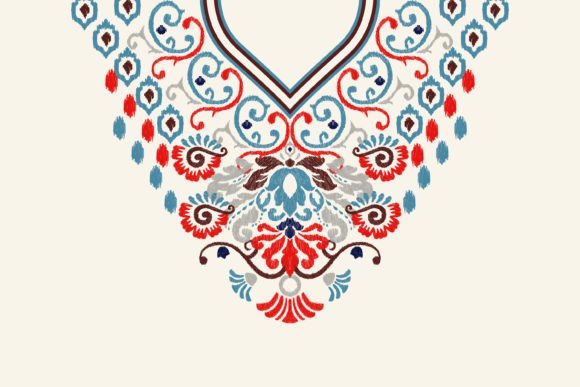
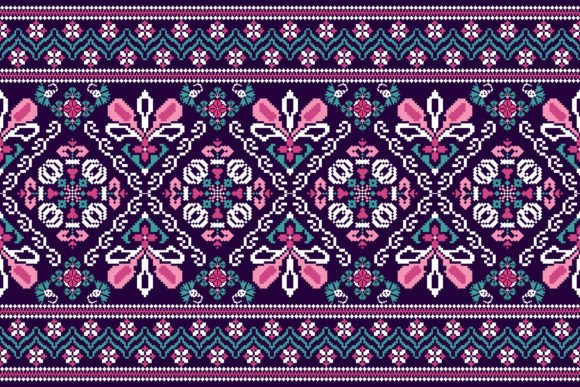
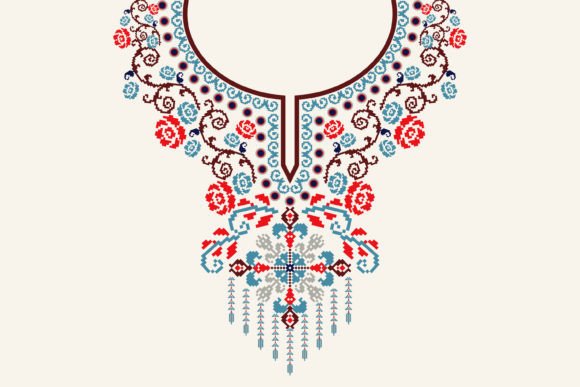
The initial preview reveals a design that balances delicacy with structure. Unlike typical floral motifs that rely heavily on organic curves, this piece incorporates sharp, angular elements reminiscent of Aztec geometry. This creates a unique tension between softness and rigidity. For an embroidery project, this is intriguing because it challenges the machine to handle both fine details and bold shapes. The mood is sophisticated yet grounded, making it suitable for modern bohemian aesthetics or minimalist boutique branding.
From a Graphics perspective, the contrast on the white background in the preview is stark, which helps in assessing the layout. However, as an experienced reviewer, I know that what looks good on a screen does not always translate to a finished product. The key question is whether the cross-stitch simulation retains its clarity when scaled down or stitched onto textured materials.
Real-World Application: The Custom Tote Bag Test
To evaluate practical utility, I imagined applying this design to a heavy canvas tote bag, a staple item for many Etsy sellers and craft business owners. Canvas has a distinct weave, which can interfere with small stitches. The geometric nature of this embroidery file works in our favor here. Straight lines and angular shapes tend to hold up better on coarse fabrics than intricate curves.
If I were producing this for a small shop product, I would position the neckline pattern across the upper third of the bag, mimicking the yoke of a garment. This placement draws the eye upward and gives the impression of a high-end, custom-designed accessory rather than a generic printed item. The thread colors chosen would be crucial; earthy tones like terracotta, sage, and charcoal would enhance the ethnic vibe, while bright primaries might make it feel too juvenile for a boutique audience.
Performance on Apparel and Home Decor
Beyond bags, this design shows promise for custom apparel. Imagine it stitched onto the chest of a linen shirt or the hem of a denim jacket. The satin stitch borders often used in conjunction with cross-stitch fills can provide a clean edge, preventing fraying and adding a professional touch. However, caution is needed with stretchy fabric. If applied to a t-shirt without proper stabilization, the rigid geometric pattern could pucker the material.
For home decor, such as a pillow cover or kitchen towel, the design’s symmetry offers a balanced look. A tea towel made of waffle weave or linen would complement the texture implied by the cross-stitch style. Here, the stitch density becomes a critical factor. If the digital file is too dense, it will create a stiff patch that ruins the drape of the fabric. If it is too light, the backing fabric will show through, compromising the visual impact.
Navigating Technical Challenges
There are specific scenarios where this design requires careful handling. First, consider hoop size. If the design is large, you may need to split it or use a larger hoop, which can be challenging on curved surfaces like caps. Speaking of caps, while the geometric pattern is stylish, the stiffness required for a structured cap might clash with the delicate nature of cross-stitch aesthetics unless a sturdy stabilizer is used.
Another concern is dark fabric. The preview shows the design on white, but if you plan to stitch it on navy or black, you must ensure the thread color contrast is sufficient. Light threads on dark fabric can sometimes appear washed out if the stitch coverage is not dense enough. Additionally, check for tiny details. In cross-stitch simulations, very small squares can turn into messy blobs if the needle size is too large for the thread weight.
Commercial Viability and Brand Consistency
For commercial embroidery projects, consistency is key. This design fits well within the current trend of artisanal, handmade-looking goods. It adds perceived value to a personalized gift because it looks labor-intensive, even if machine-made. Customers often associate cross-stitch patterns with care and tradition, which builds trust in your brand.
When creating printable mockup assets for your online store, ensure the digital representation matches the physical reality. Use high-resolution photos of the stitched item on natural fabrics to highlight the fabric texture. This transparency reduces return rates and increases buyer engagement. As a digital embroidery file seller, providing clear instructions on recommended stabilizers and thread types can further enhance your professional reputation.
Practical Designer Notes
Before committing to a full production run, follow these steps:
- Test on scrap fabric: Always stitch a sample on the exact material you intend to use. Check for puckering and thread breaks.
- Check stitch density: Ensure the fill areas are not too heavy, which can cause fabric distortion.
- Verify licensing: Confirm whether the design assets allow for commercial use if you plan to sell finished items.
- Contrast test: View the design in black and white to ensure the shapes remain distinct without color reliance.
- Stabilizer selection: Use cut-away stabilizer for stretchy fabrics and tear-away for stable woven materials.
In conclusion, the Floral Neckline Cross Stitch Embroidery is a versatile addition to any designer’s library. It bridges the gap between traditional craft and modern geometric aesthetics. While it requires thoughtful execution regarding fabric choice and stabilization, its potential for creating high-value handmade products is significant. Whether you are decorating a baby embroidery item or crafting a statement piece for a boutique, this design offers a unique visual language that stands out in a crowded market. Just remember to respect the technical limitations of your machine and materials, and the results will speak for themselves.