Review: Laughing Kawaii Animal Face Embroidery for Craft Fairs
As an embroidery designer who spends weekends behind a booth table, I know that the difference between a browser and a buyer often comes down to immediate visual impact. When I first loaded the Laughing Kawaii Animal Face Embroidery into my software, my primary question was not just about stitch quality, but about marketability. Does this design stop traffic? After testing it on various substrates and analyzing its potential for my upcoming handmade market season, I have formed a clear opinion on where this asset fits in a professional product lineup.
First Impressions: The Power of Kawaii Aesthetics
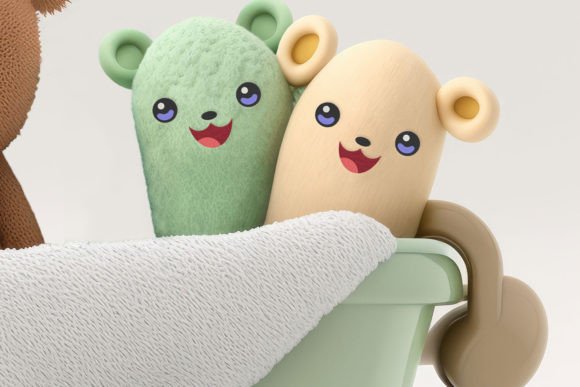
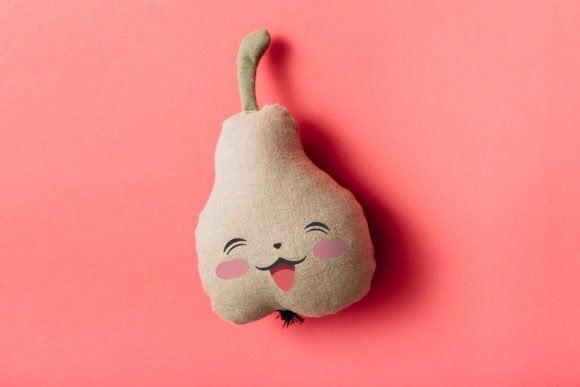
The initial view of this machine embroidery design is undeniably cheerful. The kawaii anime style relies on exaggerated features and expressive emotions, and this laughing face delivers exactly that. It does not feel rustic, farmhouse, or minimal; instead, it leans heavily into modern, playful, and soft aesthetics. For a craft fair seller, this is a strategic advantage. In a sea of neutral tones and serious typography, a bright, laughing animal face creates an emotional connection. It signals joy.
From a production standpoint, the design feels bold enough to be seen from three feet away, which is crucial for booth displays. However, it retains enough charm to invite closer inspection. This balance is rare. Many cute designs become muddy when scaled up, while bold designs lose their sweetness. This embroidery file seems to strike a happy medium, making it a versatile design asset for small shop products.
Product Applications: Where This Design Shines
To determine the best use for this design, I tested it across several common craft fair product categories. Here is how the Laughing Kawaii Animal Face Embroidery performs on different items:
- Tote Bags: This is arguably the strongest application. A canvas tote with a large, centered laughing face becomes an instant statement piece. The tote bag design potential is high because the flat surface allows the stitch definition to remain crisp. It appeals to students, parents, and anyone looking for a mood-lifting accessory.
- Aprons and Tea Towels: For kitchen textiles, the design adds a whimsical touch. Apron embroidery benefits from the durability of the stitches, while tea towel embroidery requires careful attention to stabilizer choice to prevent puckering on thinner fabrics. The laughing expression fits perfectly with the "happy home" vibe many buyers seek.
- Embroidered Patches: Creating standalone patches is a low-risk, high-reward strategy. These can be sold individually or used to embellish denim jackets and backpacks. The kawaii style translates well to the patch format, provided the edges are finished cleanly.
- Caps and Curved Surfaces: While possible, applying this to caps requires precision. The curved surface can distort the facial features if the hoop size and stabilization are not perfect. I recommend placing it slightly off-center or on beanies where the fabric is more forgiving.
Practical Production and Selling Points
For any Etsy seller or boutique maker, repeatability is key. You cannot spend hours tweaking every single item. This design appears straightforward enough for batch production. The lines are clean, suggesting that the thread colors will blend smoothly without excessive thread breaks or jumps. However, you must verify the stitch density in your specific software. High-density areas can cause fabric distortion, especially on lighter materials like cotton blends.
Photography is another critical factor. This design photographs exceptionally well for online listings. The expressive eyes and mouth create natural focal points that draw the viewer’s eye in thumbnail images. Whether you are creating a printable mockup for digital sales or photographing a finished product for your shop, the high contrast of the kawaii style ensures clarity. It stands out against both light and dark backgrounds, though pastel fabrics tend to enhance the soft, cute vibe most effectively.
Navigating Technical Challenges
While the design is user-friendly, there are careful-use notes to consider. If you are working with textured towels or thick fleece, the smaller details of the face might get lost. Always test on scrap fabric first. Check the fabric texture interaction; looped towels can swallow fine satin stitches. Additionally, if you plan to scale the design down for small pouches or keychains, ensure the facial features remain distinct. Tiny lettering or micro-details should be avoided if the original file does not support extreme resizing.
Dark fabrics present another challenge. If the design uses light threads, you may need to adjust underlay stitches or use a backing that prevents the fabric color from bleeding through. Always confirm the recommended hoop size before starting a large run. A design that looks balanced in a 5x7 hoop might look cramped or sparse in a 4x4.
Enhancing Brand Consistency and Value
Incorporating the Laughing Kawaii Animal Face Embroidery into your lineup can strengthen your brand identity if you position yourself as a creator of joyful, handmade goods. It adds perceived value because custom embroidery is associated with higher quality than printed graphics. Customers at craft fairs often touch the stitches, feeling the texture and craftsmanship. This tactile experience justifies a higher price point for your small shop product.
Furthermore, this design supports commercial embroidery ventures. If you are selling digital files, ensure you have the correct license. If you are selling physical goods, the uniqueness of the kawaii style helps differentiate your booth from competitors using generic clip art. It creates a cohesive look when paired with other playful elements in your display.
Final Designer Notes for Success
Before committing to a full production run, take these practical steps. First, stitch out a sample on the exact fabric you intend to sell. Compare different thread brands to see which offers the best sheen and color vibrancy. Second, create at least one real mockup for your marketing materials. Digital renderings are useful, but a photo of the actual embroidered item on a person or in a lifestyle setting converts better. Third, check the digital embroidery file format compatibility with your machine to avoid conversion errors that could alter stitch paths.
Remember, the goal is to create a handmade product that feels premium yet accessible. The Laughing Kawaii Animal Face Embroidery has the potential to be a bestseller if treated with care regarding stabilizer choice and fabric selection. It is not just a design; it is a tool for engagement. Use it to bring smiles to your customers and consistency to your production workflow. Always verify the specific license terms included with your purchase to ensure compliance for commercial use, as policies vary by designer. With the right execution, this design can become a staple in your Toys or accessories collection, driving both foot traffic and online sales.