Reviewing Round Xmas Embroidery Patterns for Real Projects
As a designer who has spent countless hours staring at digitized files and watching needles dance across fabric, I have learned that not every machine embroidery design is created equal. Some look stunning on a screen but fall flat when stitched out. Others are technically perfect but lack soul. Today, I am taking a close, practical look at Round Xmas Embroidery Patterns, evaluating it not just as a digital asset, but as a component of real-world Crafts and commercial products.
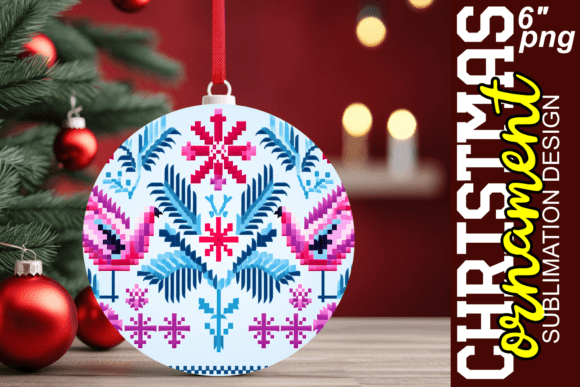
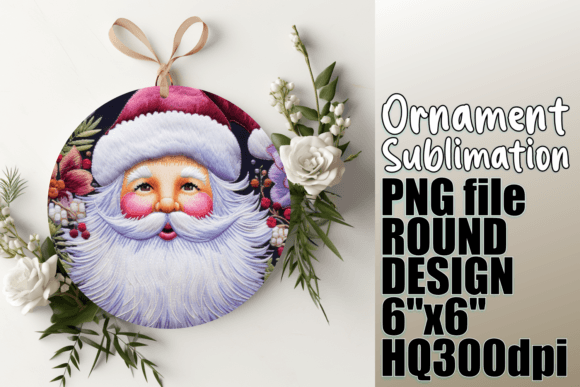
When I first opened the file, my immediate impression was one of balanced symmetry. The circular layout is inherently pleasing to the eye, creating a contained visual narrative that works well for holiday themes. However, beauty in an embroidery file is only half the battle. The real test is how it translates to thread and fabric. Does the stitch density overwhelm delicate materials? Do the details hold up after washing? These are the questions that matter to us as Etsy sellers and professional decorators.
The First Impression: Mood and Layout
The mood of Round Xmas Embroidery Patterns is warm and traditional, yet clean enough to fit modern aesthetics. The round shape suggests unity and completeness, which is psychologically appealing for holiday gifts. In terms of layout, the design avoids the cluttered look that plagues many seasonal graphics. It feels intentional. For those of us selling design assets or finished goods, this clarity is crucial. A confused design leads to a confused customer, but a clear, cohesive image builds trust.
I noticed that the visual personality leans towards classic holiday motifs. This makes it versatile. It does not scream "trendy" in a way that will date quickly, which is a significant advantage for small shop product lines that need longevity. Whether you are creating a personalized gift for a neighbor or stocking inventory for a boutique, the timeless nature of the pattern reduces the risk of unsold stock.
Real-World Application: From Screen to Stitch
To truly evaluate this Graphics product, I imagined a specific scenario: preparing a custom embroidered tote bag for a local holiday market. Tote bags are popular, but they present challenges due to the weave of the canvas and the potential for puckering.
If I were using Round Xmas Embroidery Patterns on a heavy canvas tote, I would need to pay close attention to the stabilizer. The round shape means there are no sharp corners to anchor the fabric, so a cut-away stabilizer might be necessary to prevent distortion during wear. On a softer material, like a fleece sweatshirt, the design would likely sit beautifully. The sweatshirt embroidery market is huge during Q4, and a clean, round design centers well on the chest or sleeve without looking bulky.
For baby embroidery projects, such as a onesie or a burp cloth, the scale becomes critical. If the design is too large, it overwhelms the small garment. If it is too small, the details might merge. I recommend testing the design on scrap fabric of the same weight as your final product. This is non-negotiable for maintaining professionalism. A finished product that puckers or has thread breaks damages your brand reputation faster than any negative review.
Navigating Technical Challenges
While the design is visually strong, there are areas where caution is required. Curved surfaces, such as caps or hats, can distort round designs if the hoop is not aligned perfectly. If you are attempting embroidered patch work or cap embroidery, ensure your hooping technique is precise. The curvature of a cap can stretch the fabric, potentially elongating the circle into an oval.
Additionally, consider the thread colors you choose. High contrast is good for visibility, but too much contrast on a dark fabric can highlight every tiny imperfection in the stitching. If you are working with dark fabric, test your tension settings. A satin stitch border, if present in the design, needs to be dense enough to cover the fabric but not so dense that it causes needle heat or thread breakage.
For items that require frequent washing, like kitchen towel sets or aprons, the durability of the stitch types matters. Fill stitch areas should be checked for gaps. If the digitizing leaves too much space between rows, the fabric underneath may show through after a few washes, making the product look worn out prematurely. This is a common pitfall in lower-quality digital embroidery file offerings.
Commercial Viability and Brand Consistency
For commercial embroidery professionals, consistency is key. If you are producing a batch of fifty tote bag design units, you need to know that each one will look identical. Round Xmas Embroidery Patterns appears to have a structure that supports repeatability, provided your machine is well-maintained.
From a branding perspective, this design fits well into a cohesive holiday collection. It does not clash with other traditional elements, allowing you to mix and match with text or other motifs. For creative entrepreneurs who rely on printable mockup previews to sell online, the clean lines of this design render well in digital previews, helping to convert browsers into buyers.
However, a critical note regarding the product description: it mentions that a thorough understanding of sublimation is essential and that support for the process is not included. This is a vital distinction. If you are an embroidery designer expecting a plug-and-play applique design or standard stitch file, you must verify the file format and intended use case before purchasing. Ensure you have the requisite software and equipment. If this is primarily a sublimation graphic rather than a native stitch file, your workflow will differ significantly. Always confirm licensing terms if you plan to sell the finished product or use it in craft business merchandise.
Final Designer Notes
Before committing to a large production run, follow these practical steps:
- Test on scrap fabric: Use the exact material you plan to sell. Fabric texture affects how stitches lay down.
- Check hoop size compatibility: Ensure the design fits your smallest and largest hoops without resizing issues that degrade quality.
- Review stitch density: High density can cause puckering on thin fabrics; low density may look sparse on thick materials.
- Inspect small details: Zoom in on the digitized file. Are there unnecessary jump stitches? Are the connections logical?
- Mockup in black and white: This helps you see the value and contrast without the distraction of color.
- Confirm licensing: Clarify if the license allows for commercial sales of physical items or if it is for personal use only.
In conclusion, Round Xmas Embroidery Patterns offers a solid foundation for holiday projects, provided you approach it with a designer’s eye for detail and a maker’s respect for materials. It is a tool, not a magic wand. Your skill in hooping, thread selection, and machine maintenance will ultimately determine the success of your holiday embroidery projects. Use it wisely, test thoroughly, and create something beautiful.